Korea Market Entry / Insights
Sourcing Korean startups · 6 min read
How Foreign Investors, Accelerators and Trade Offices Can Source Korean Startups
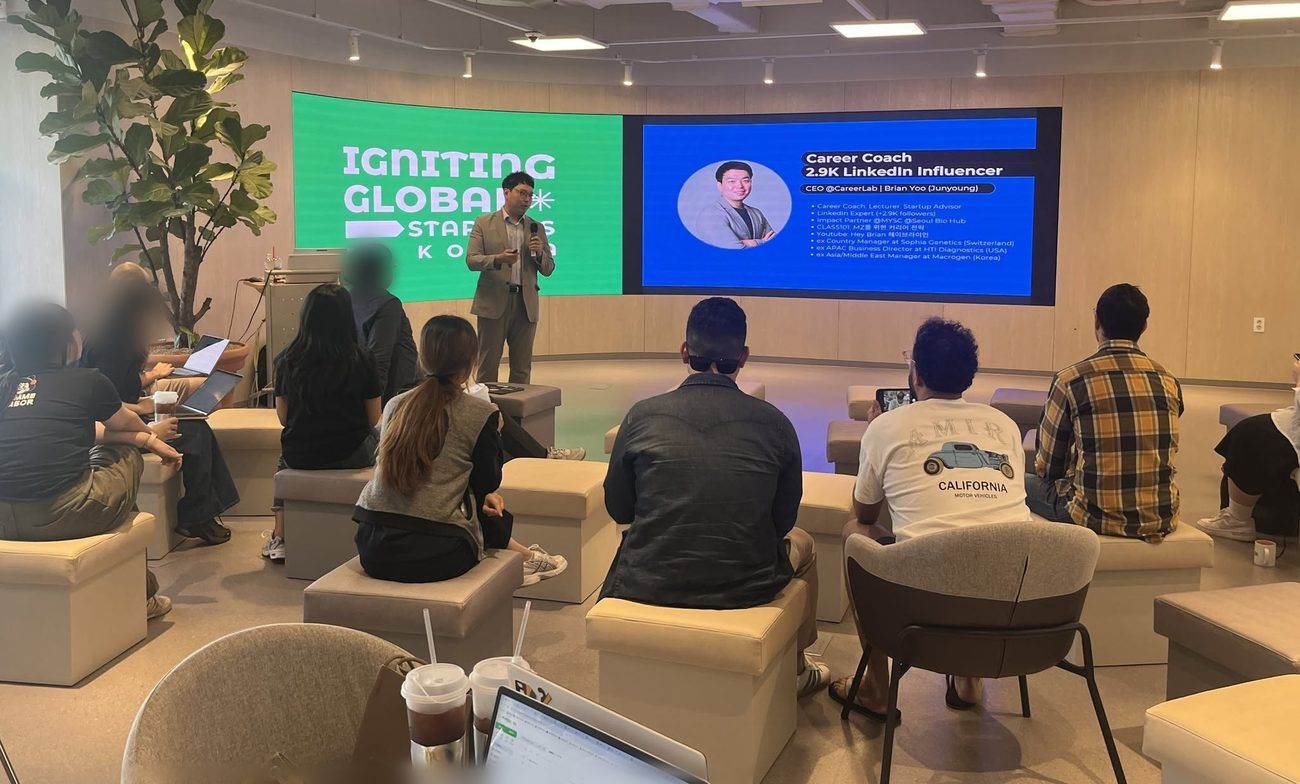
Many overseas investors, accelerator teams, university programs and trade offices want Korean startups, but their pipeline comes from the same few demo days and pitch contests everyone attends. The best-prepared teams often never apply to a foreign program because nobody has built a relationship first. This guide is for the organization on the outside that wants to reach them, and it is written from the Korean side of the table.
01
Define what you are sourcing before you fly
Write a one-page brief: sector, stage, ticket size or program benefit, and what a startup gets from you that a Korean program does not offer. Korean founders receive many invitations. A clear, specific offer in Korean and English is the difference between a reply and silence. Include the following in the brief: the sector and stage you want, what you can offer in concrete terms such as a pilot customer, a grant, a program seat or an introduction to named buyers, the time you need from founders, and your decision date. Founders in Korea compare offers quickly, and a brief with a date and a named contact person signals that you are organized.
02
Go where Korean startups already gather
Large trade shows and startup events are the visible layer. Programs run by public agencies and local accelerators are the second layer, and founder communities and alumni groups are the third. Plan to touch all three. A single large event gives volume, but introductions from a local accelerator or investor give trust. For example, a team planning a week in Seoul might attend one large trade show, visit two accelerator demo days and join one founder community dinner. The three channels overlap in the companies they show, and a startup you meet in all three places is usually well connected and worth a second meeting.
03
Use a local introducer, not a mass email
Cold outreach performs poorly in Korea, as I explain in 10 mistakes foreign companies make. A respected local introducer such as an accelerator manager, a university startup center or a former founder can open ten doors in one week. Offer them something real in return: a visit, a speaking slot or co-hosting an event. Be precise about your request when you contact an introducer: how many startups you want to meet, in which sectors, on which dates and what you can give back. A request such as "eight B2B software founders with Korean revenue, 17 to 21 November" is far easier to act on than "we would like to meet interesting Korean startups".
04
Screen on four questions
First, does the startup have paying customers in Korea? Second, does the team include someone who can speak your market language? Third, is there a founder who can commit time to your program? Fourth, does the startup have a clear reason to go to your region now? These four questions filter most mismatches before you spend money on meetings. Ask for evidence rather than claims. Paying customers can be shown with a contract, a purchase order or a customer reference. A team member who speaks your language can be verified in the first five minutes of the meeting. Founder availability is clear from how quickly they reply and whether they propose their own dates.
05
Run a 5-day Seoul visit with a fixed rhythm
Day 1: briefings with two local ecosystem partners. Day 2 and 3: back-to-back 30-minute startup meetings, six to eight per day, with a printed one-page summary of each. Day 4: a small dinner with founders and local investors. Day 5: debrief, shortlist and thank-you messages sent the same day. Send follow-up notes within 48 hours, because speed signals seriousness in Korea. Prepare one page for each startup before you land: product, customers, funding history, the founders, and your three questions. After each meeting, write two lines on the same page: your rating and the next action. By Friday you will have a ranked list built from your own notes instead of from memory.
06
Respect how decisions are made
Korean founders often consult co-founders, investors and advisors before committing. A friendly first meeting is not a yes. Give a clear next step and a written one-page summary of the offer so the founder can circulate it internally. Practical signals of progress include a request for your term sheet or program details in writing, an introduction to a co-founder or investor, and a second meeting proposed by the startup. Treat these as a yes in progress. Silence for a week is common and does not mean no, so send one calm follow-up with a new piece of value attached.
07
Keep the relationship warm between visits
Share their news on LinkedIn, introduce them to one customer or partner in your region, and send a short update each quarter. These small actions are what turn a one-time visit into a pipeline. A quarterly note can be short: one paragraph on what changed in your program or fund, one introduction you made, and one question for the founder. Over a year, these four notes build a relationship that a competing program cannot copy with a single flight.
08
A simple scoring sheet you can copy
Score each startup from 1 to 5 on four items: Korean revenue, language fit with your market, founder commitment, and timing. Add the four numbers and set a threshold, for example 14 out of 20, for a second meeting. Share the sheet with your colleagues so decisions are made on the same evidence. A transparent sheet also helps you explain to founders why you are, or are not, moving ahead, which they appreciate.
A quick self check
- Do we have a one-page sourcing brief in English and Korean?
- Do we have at least two local introducers lined up?
- Have we written our four screening questions?
- Is there a 5-day agenda with follow-up scheduled within 48 hours?
- Do we have a plan to stay in touch after the visit?
Where to go next
Related reading: meeting Korean startups at CES 2027 and how to find B2B partners in Korea.
What we offer
- B2B trust building and partner development strategy consulting for foreign startups and companies entering the Korean market
- LinkedIn company branding, content strategy, and overseas buyer and partner development support for Korean startups expanding abroad
- B2B marketing lectures, seminars, and hands on consulting for corporate and government backed programs
Contact: yooharmonizer@gmail.com